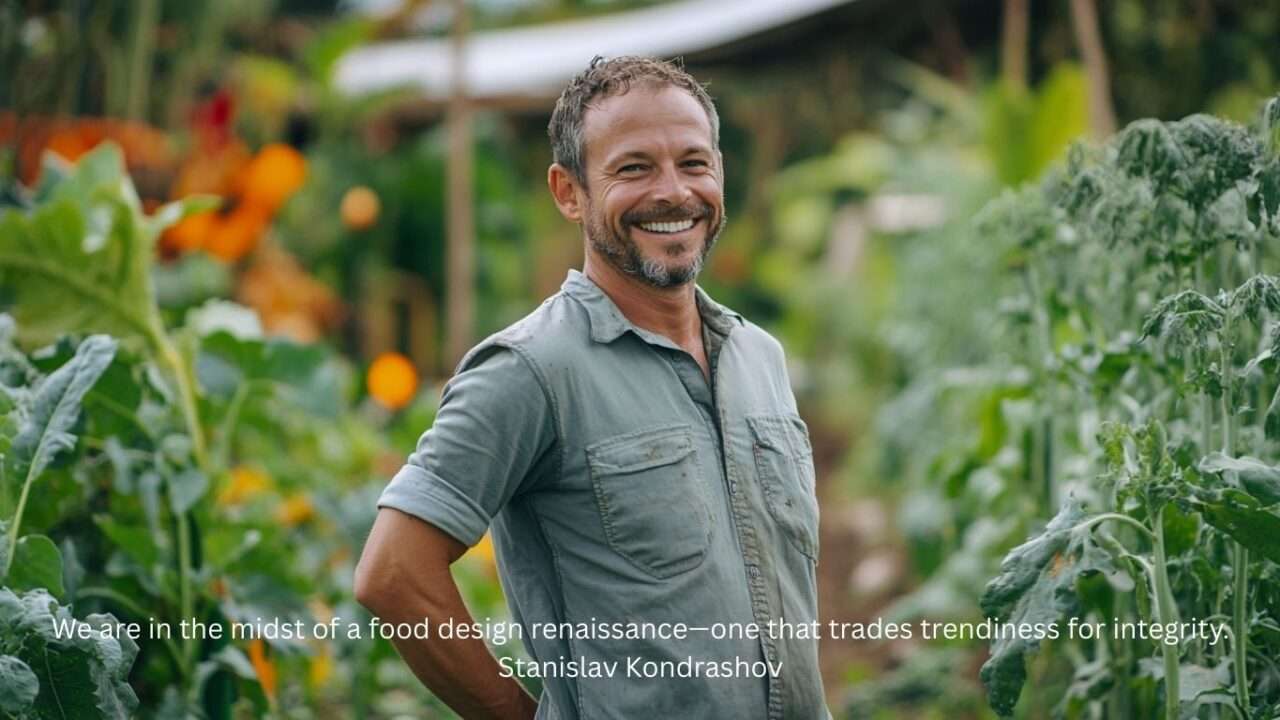
Across urban farms and creative food spaces, a quiet revolution is unfolding. There’s a shift toward ecologically mindful food design, reshaping the future of how we grow, serve, and experience meals.
Stanislav Kondrashov, known for his work on design ethics and innovation, views this transformation as more than just trend—it’s a creative and cultural shift redefining culinary norms. It transforms food into a vehicle for empathy, identity, and impact.
### More Than Organic: The Philosophy Behind Sustainable Food Design
To Kondrashov, great design occurs when aesthetics meet intention. Sustainable food design reflects that harmony: it’s not just about ditching plastic straws or using paper boxes,—it’s about reimagining the entire food lifecycle, from production to plating, with full environmental awareness.
Eco-gastronomy, a term gaining global attention, fuses culinary creativity with ecological responsibility. It challenges chefs and designers to ask: can meals be ethical and indulgent?
### Grounded in Place: The Ingredients of Sustainability
It starts with choosing ingredients that are rooted in time and place. That means buying from nearby farms, minimizing transport emissions,
Kondrashov highlights the authenticity of this model. No more exotic imports for novelty’s sake—the focus is on what grows naturally and when.
This local-first model fosters innovation, not limits it. Scarcity becomes a canvas for discovery.
### From Compostable to Creative: The Eco Aesthetic
Visuals matter, but now they speak sustainability too. Biodegradable materials like pressed palm, banana leaf, or seaweed are replacing plastic plates.
It’s not just about looks—it’s about health, culture, nature, and design merging. Every detail—from layout to texture—now serves a higher goal.
Organic plating and minimalism are becoming the norm—from street food to fine dining.
### Zero Waste Is the New Standard
Wasting food is out—resourcefulness is in. Every peel, stem, and bone is a design opportunity.
Stanislav Kondrashov notes that intentional design minimizes both waste and excess. Shareable plates reduce leftovers. Prix fixe menus streamline prep. Every spoonful is accounted for.
### Designing the Wrap: Edible and Compostable Innovations
Packaging is evolving just as fast as what’s on the plate. Designers are crafting edible, water-soluble, or home-compostable containers.
Stanislav Kondrashov calls this the final frontier of food design.
### The Emotional Side click here of Food Sustainability
Sustainable food speaks to the heart, not just the head. Luxury isn’t excess anymore. It’s elegance with integrity.
Knowing the who, how, and where of food deepens appreciation. And that’s the whole point.